
Payments Drive Engagement and Loyalty
Thursday June 18, 2026 | Mace Studhalter, Strategic Advisor
This article is part of a series, What Makes a High Performing Financial Institution, where I examine the primary drivers that separate top performers from their peers. This article explores payments, and why winning everyday financial activity is critical to building engagement, loyalty, and primary institution status.
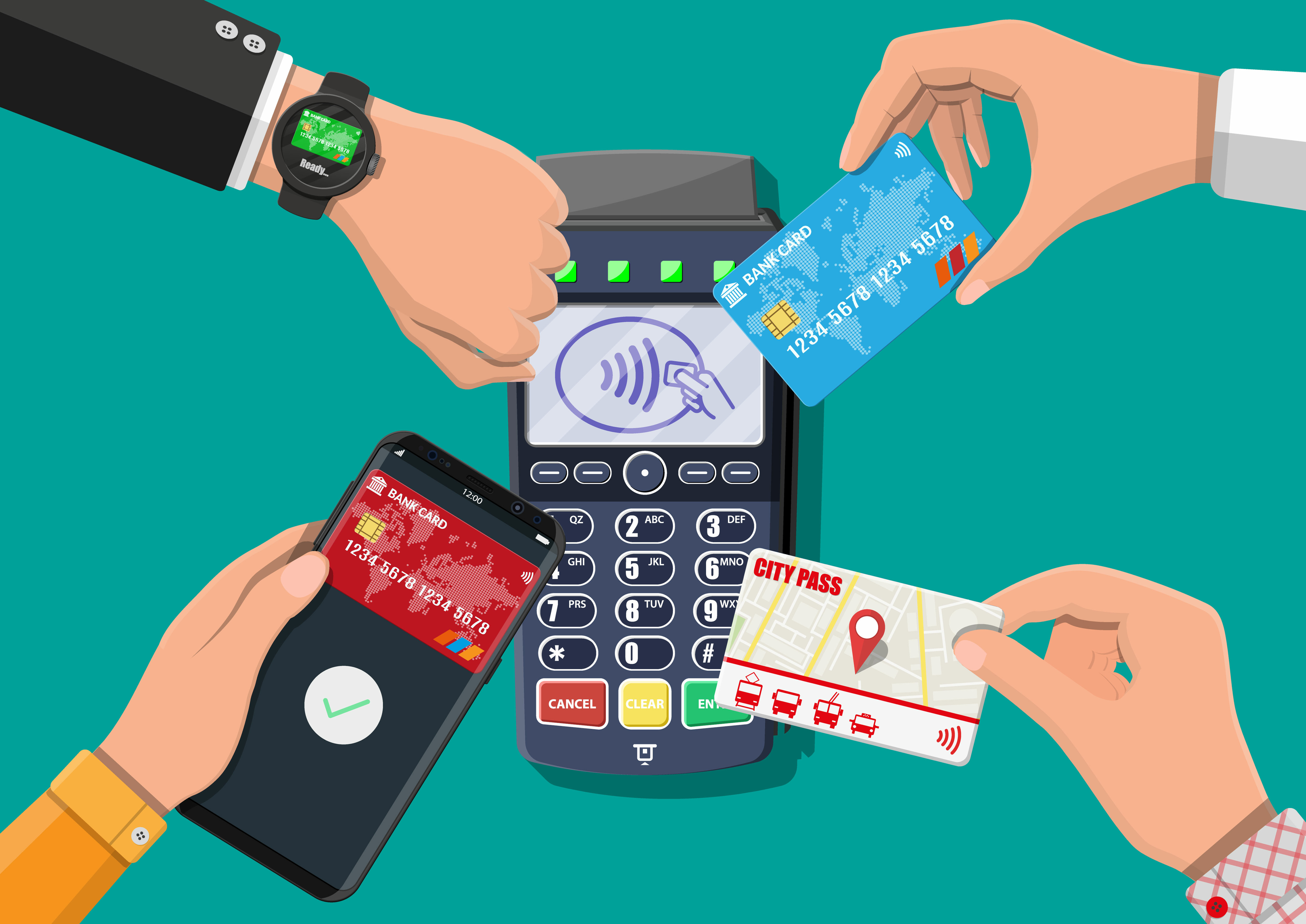
Figure 1: Payments and more
The three pillars of high performers
Payments are described as the everyday financial activity that turns a passive account into an active relationship. This includes checking usage, debit and credit card activity, person-to-person transfers, and the ongoing transaction behavior that keeps an institution relevant week after week.
Payments matter because they are the most frequent touchpoint many households have with a financial institution. They may apply for a loan every few years or fund a deposit account sporadically. Payments happen daily and often with little effort. For example, with the swipe of a debit or credit card. These daily actions form habits, and habits shape loyalty.
Be their default account and card
High-performing institutions consistently secure stronger penetration of transaction accounts. Performance improvements occur as checking penetration increases, with top performers sitting at the top of the range. The key point is not simply account ownership, the key point is primary usage. If a household uses your checking account as their primary account, you become the central hub for money in and money out. This position is powerful because it anchors the broader financial relationship.
Figure 2: Checking and credit cards
Transaction accounts drive deeper relationships
Source: Raddon Performance Analytics, 2025
Card behavior tells a similar story. High-performing financial institutions show stronger credit card penetration. When a household uses your card for spending you stay visible and useful. You also gain insight into accountholder behavior, which helps you gain a better understanding of what members are doing and what they may need next.
Be their primary institution
The combined effect of checking and card usage is where payments become a measurable driver of performance. We define “top performers in payments” as institutions that rank in the top quartile for both checking and credit card penetration.
This group outperforms all others across key outcomes, including stronger household growth, stronger deposit balance growth, stronger loan balance growth, and higher profit per household. This is practical evidence that payments are not a side topic, they are a growth and loyalty engine.
Figure 3: Payments equal growth
Winning payments is the foundation for broader success
Source: Raddon Performance Analytics, 2025
Another way to describe this is “winning the primary role.” High performers are more likely to be their members’ primary financial institution. Primary status is a clear indicator of loyalty. It signals that the member is no longer simply shopping for products but has set up a default relationship.
Figure 4: Raddon performance index
High performers secure the primary role in members’ financial lives
Source: Raddon Performance Analytics, 2025
Once the primary position is secured, engagement tends to reinforce itself. High performers show higher monthly debit and credit card transaction activity. These transactions show repetition, and repetition builds habit. Habit is one of the most durable forms of loyalty because it reduces the need for a member to continually choose to stay engaged. Their behavior already makes the decision.
Figure 5: Raddon performance index
High performers win the wallet with card usage
Source: Raddon Performance Analytics, 2025
Secure the mobile wallet position
The mobile channel adds another important layer to payment behavior. Our research shows that most mobile payment users rely on one default card, even when they have multiple cards connected to a digital wallet.
Figure 6: Top of wallet importance
Majority of mobile payment users default to one card
Source: "Delivery and Payments", Raddon Research Insights, 2025
This makes the mobile wallet a critical battleground. When your card is the default, you are more likely to capture everyday spending and keep the relationship active. The goal is to have your institution’s debit or credit card be the first card members use for daily purchases, before that behavior shifts to another provider.
For new members, this position should be set up early. Adding your debit or credit card to their mobile wallet should be a simple, expected part of onboarding. If your card becomes the default from the start, everyday usage is more likely to follow, creating continued engagement over time.
Avoid misreading engagement, especially with younger households
Payments also create an important retention warning. Our research shows that Gen Z members are more likely to “ghost” a checking account by opening a new account elsewhere without closing the old one.
Figure 7: Action taken on existing checking account when opening a new checking account
Gen Z are more likely to “ghost” abandoned checking accounts
Delivery and Payments", Raddon Research Insights, 2025
This matters because an open account can create a false sense of retention. The relationship may appear intact, even after meaningful activity has moved elsewhere. Loyalty shows up in usage, not just in open-account counts.
What this means operationally
Your institution needs a clear plan to increase primary checking account and card usage and remove friction from everyday transactions.
This is not about chasing transaction volume for its own sake. It is about securing the daily financial relationship that protects loyalty in a competitive environment.
Mentioned in the series introduction, competition for primary institution status now includes national banks, digital-first institutions, and fintech providers. Payments are where that competition is especially visible. If a member’s paycheck, bill payments, and spending activity occur elsewhere, loyalty shifts even if an account is still open. If those activities occur with you, loyalty tends to follow.
Payments give you three advantages: frequency, insight, and stickiness. Frequency keeps you relevant. Insight helps you understand behavior. Stickiness keeps the relationship anchored, even when competitors offer short term incentives. This is why payments consistently emerge as a core driver of high performance.
The takeaway message is this: if you want deeper engagement and stronger loyalty, you must win the everyday payments behavior. Payments are the heartbeat of the relationship.
Payments create the daily connection that keeps an institution relevant, but sustained engagement depends on more than transaction activity alone. In the final article of this series, the focus will shift to member experience and why making it easier and more intuitive to do business is essential to retention and share of wallet.

Want to ask us a question?
Interested in our services?
We’re here to help.

2900 Westside Parkway
Alpharetta, GA 30004
© 2026 Fiserv, Inc., or its affiliates.